By sharing knowledge, experience and views in the field of forging technology, we help you understand, learn and apply relevant technologies.

Hulk Metal Forging Technology
Share technical experience
-
Home>
-
Blog>
-
Technology>
Precision Forging | Expert Metal Forging Solutions
19
2026.03

Precision forging has become a cornerstone of modern manufacturing, enabling the production of high-performance metal components with exceptional strength, accuracy, and reliability. As industries such as automotive, construction, mining, and energy continue to demand components that can withstand extreme operating conditions, precision forging offers a proven solution that balances performance and cost efficiency.
Unlike traditional manufacturing methods, precision forging delivers near-net shape components with minimal material waste and reduced machining requirements. This not only improves production efficiency but also ensures consistent quality across large production volumes. For OEMs seeking durable, high-precision parts, partnering with an expert metal forging supplier is essential to achieving long-term success.
What Is Precision Forging
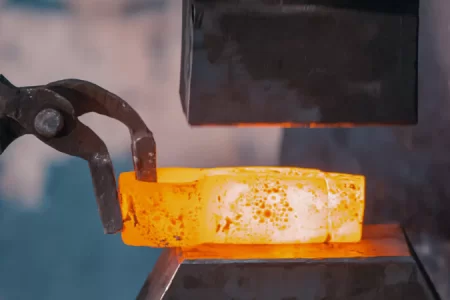
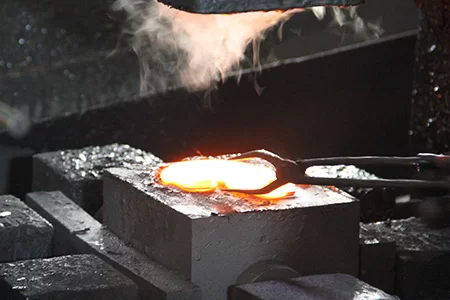
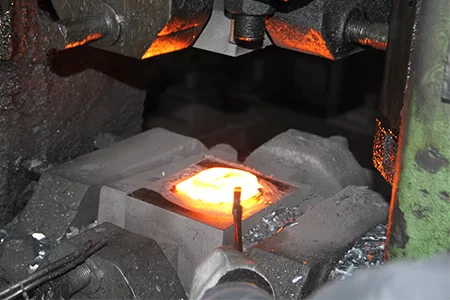
Precision forging is an advanced metal forming process that shapes heated or cold metal into highly accurate components using specially designed dies. Often referred to as near-net shape forging, this process significantly reduces the need for secondary machining operations.
Compared to casting, precision forging eliminates internal porosity and improves structural integrity. When compared to machining, it reduces material waste and enhances mechanical properties due to continuous grain flow. The process can be categorized into three primary types:
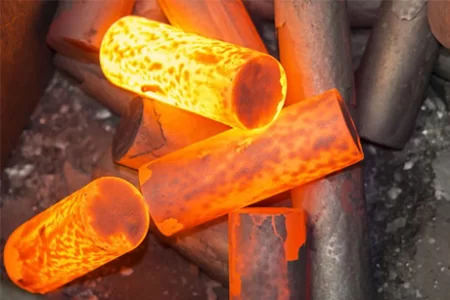
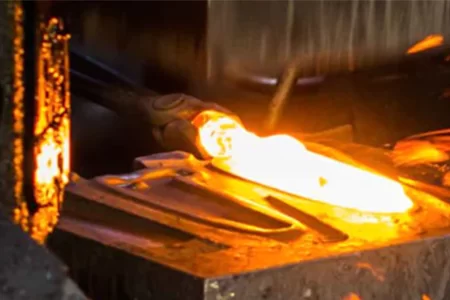
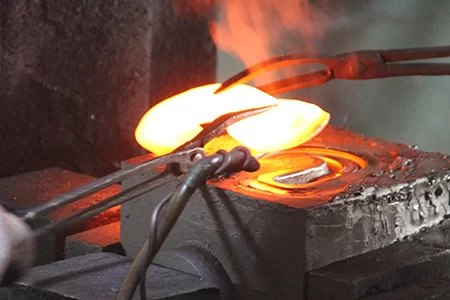
Hot forging: Performed at high temperatures to improve ductility and formability
Warm forging: Conducted at intermediate temperatures for better dimensional control
Cold forging: Executed at room temperature to achieve superior surface finish and tight tolerances
Each method is selected based on material type, component complexity, and performance requirements.
Precision Forging Process Overview
Material Selection
Material selection plays a critical role in determining the performance and durability of forged components. Common materials include carbon steel, alloy steel, stainless steel, and aluminum alloys. Each material offers distinct advantages:
Carbon steel provides excellent strength and cost efficiency
Alloy steel enhances toughness and wear resistance
Stainless steel offers corrosion resistance in harsh environments
Aluminum alloys reduce weight while maintaining structural integrity
Selecting the right material ensures optimal performance while controlling production costs.
Tooling & Die Engineering
High-quality dies are essential for achieving precision and consistency in forging. Advanced CAD/CAM technologies are used to design dies that optimize metal flow and minimize defects. Proper die design not only ensures dimensional accuracy but also extends tool life and reduces overall production costs.
In precision forging, even minor deviations in die geometry can affect the final product. Therefore, experienced engineering teams play a crucial role in developing efficient and reliable tooling solutions.
Forging Process Control
The forging process requires precise control of multiple parameters, including temperature, pressure, and deformation speed. Maintaining optimal conditions ensures proper grain flow, which directly impacts the mechanical properties of the final component.
Modern forging facilities utilize automated systems and real-time monitoring to ensure consistent quality. This level of control is particularly important in high-volume production, where uniformity is critical.
Secondary Processing
Although precision forging minimizes the need for additional processing, certain secondary operations are still required to meet specific application requirements:
Heat treatment: Enhances hardness, strength, and toughness
CNC machining: Achieves tight tolerances in critical areas
Surface treatment: Improves corrosion resistance and surface finish (e.g., shot blasting, galvanizing, coating)
These processes further refine the component, ensuring it meets stringent industry standards.
Advantages of Precision Forging
Superior Mechanical Properties
Precision forging produces components with continuous grain flow, significantly improving strength, impact resistance, and fatigue life. Studies show that forged parts can offer up to 30–50% higher fatigue strength compared to cast components.
High Dimensional Accuracy
Near-net shape forming allows manufacturers to achieve tight tolerances with minimal machining. This reduces production time and ensures consistent quality across batches.
Material Efficiency
Precision forging maximizes material utilization, often achieving material savings of 15–25% compared to traditional machining processes. This not only reduces costs but also supports sustainable manufacturing practices.
Cost Efficiency in Mass Production
While initial tooling costs may be higher, precision forging becomes highly cost-effective in large-scale production. Reduced material waste, lower machining requirements, and faster cycle times contribute to a lower cost per unit.
Expert Metal Forging Solutions
An expert metal forging partner provides more than just manufacturing capabilities—they deliver comprehensive solutions tailored to specific project requirements. From initial design consultation to final delivery, a full-service forging provider ensures seamless execution at every stage.
Key capabilities include:
OEM/ODM customization based on drawings or samples
Design for Manufacturability (DFM) to optimize cost and performance
Rapid prototyping for product validation
Scalable production from small batches to high-volume orders
This integrated approach helps clients reduce development time and improve overall product competitiveness.
Applications of Precision Forged Components
Precision forged components are widely used across multiple industries due to their superior performance and reliability:
Automotive industry: gears, crankshafts, connecting rods
Construction and precast systems: lifting anchors, lifting clutches, structural connectors
Oil and gas: high-pressure fittings and valves
Mining and heavy machinery: wear-resistant and load-bearing components
In these demanding environments, forged parts provide the strength and durability required for long-term operation.
Quality Assurance and Testing
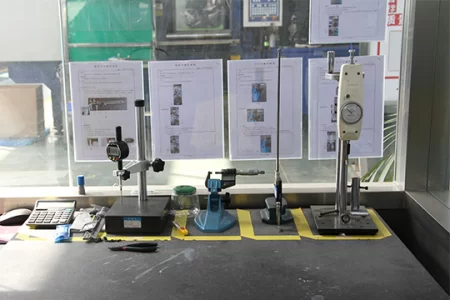
Quality control is a critical aspect of precision forging. A robust quality assurance system ensures that every component meets strict performance and safety standards.
Key quality control measures include:
Raw material inspection: chemical composition and mechanical properties verification
In-process inspection: dimensional checks and defect detection
Non-destructive testing (NDT): ultrasonic, magnetic particle, or radiographic testing
Mechanical testing: tensile strength, hardness, and impact testing
Compliance with international standards such as ISO and CE ensures that products meet global market requirements.
Why Choose an Expert Forging Partner
Selecting the right forging supplier can significantly impact product quality, cost, and delivery timelines. An experienced partner offers:
Advanced production equipment and technical expertise
A stable and integrated supply chain
Strict quality management systems
Reliable delivery and responsive customer support
Working with a professional supplier reduces risks and ensures consistent product performance.
Sustainability in Precision Forging
Sustainability has become an important consideration in modern manufacturing. Precision forging supports environmentally responsible production through:
Reduced material waste
Energy-efficient processes
Recyclable metal materials
Eco-friendly surface treatments
These advantages help manufacturers meet environmental regulations while maintaining cost efficiency.
Why Choose HULK Metal
Precision forging is a highly efficient and reliable manufacturing process that delivers superior mechanical properties, excellent dimensional accuracy, and clear cost advantages in large-scale production. As global industries continue to demand higher performance and tighter tolerances, working with a professional and experienced forging partner becomes increasingly important.
This is where HULK Metal stands out.
With extensive experience in metal forging and machining, HULK Metal provides end-to-end OEM precision forging solutions, from raw material sourcing to final delivery. Backed by a strong and integrated supply chain, the company ensures stable production, strict quality control, and competitive pricing.
What makes HULK Metal a reliable partner:
Comprehensive manufacturing capabilities covering forging, machining, surface treatment, and assembly
Strong quality assurance system, ensuring every component meets international standards
Flexible production capacity, supporting both small batch customization and large-scale orders
Dedicated service teams, including engineering, production, quality inspection, and after-sales support
Reliable delivery and after-sales service, including replacement, return, or replenishment when needed
By choosing HULK Metal, customers gain more than just a supplier—they gain a long-term manufacturing partner focused on quality, efficiency, and continuous improvement.
If you are sourcing high-quality precision forging components, now is the right time to collaborate with a trusted expert. Reach out to HULK Metal today to discuss your project and discover a more efficient, cost-effective forging solution tailored to your needs.
Article Navigation
Others You Might Want to Know
Article Navigation
Industries
Foundries
Others Articles About Hot Forging
-

July.01, 2024
Difference between hot forging and cold forging
READ MORE
-
June.27, 2024
What are the advantages and disadvantages of the hot forging process?
READ MORE
-
January.18, 2024
Forging: What Is It? What Are The Different Types of Hot Forging?
READ MORE
-
March.07, 2025
What to look for when looking for a Forging Manufacturer?
READ MORE
-
February.28, 2025
Open Die Forging: Exploring the forging process and the key factors in selecting a OEM
READ MORE
-
February.18, 2025
Factors to consider when purchasing custom forgings
READ MORE
-
February.14, 2025
HULK Metal's hot forging quality control
READ MORE